
What to See Near Montecatini Val di Cecina — Overview
In less than a 30-minute drive, you can explore an area that many travelers don’t get to see even during a week-long trip through classic Tuscany. Here’s an overview of the main destinations.
Montecatini Val di Cecina — The Village and Its Secrets
Before setting out to explore the area, it’s worth stopping in the village itself. Montecatini Val di Cecina is a medieval town in the province of Pisa, perched on the Colline Metallifere at an elevation of 630 meters. It has fewer than 2,000 residents, an 11th-century tower, stone-paved alleys, and 35 kilometers of mining tunnels beneath your feet.

— Belforti Tower and Historic Center
The Belforti Tower has overlooked the village since the 11th century. From the top, on clear days, you can see the Metalliferous Hills, the towers of San Gimignano, and, at times, the sea. The historic center is entirely within walking distance: the town hall, the church, the medieval alleys, and the square where our restaurant, “La Terrazza sul Borgo”, is located.
— Mining Museum — 1 km from the “Dai Nonni” Apartments
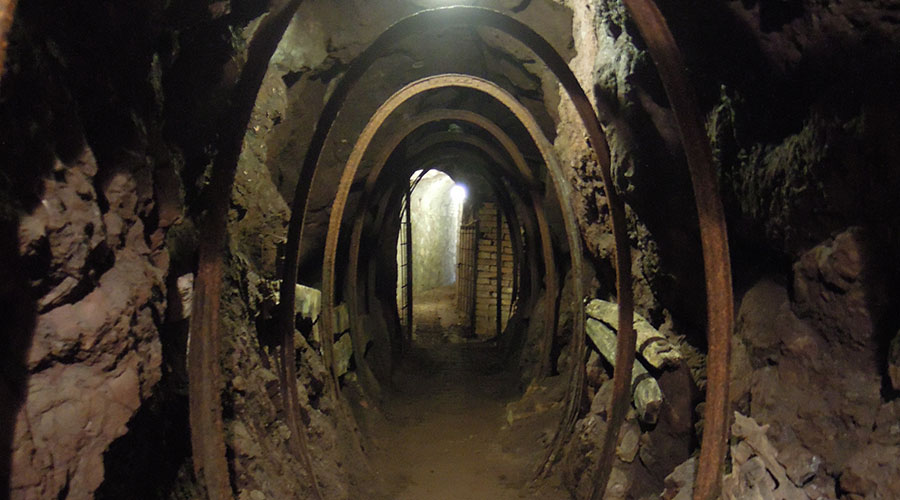
Just 1 kilometer from the village lies one of Tuscany’s most extraordinary and least-known sites: the Caporciano copper mines. In the 19th century, they were the largest in Europe. Today, visitors can explore the historic underground tunnels on a guided tour. It’s an experience most tourists are unaware of.
— Volterra — 15 km away
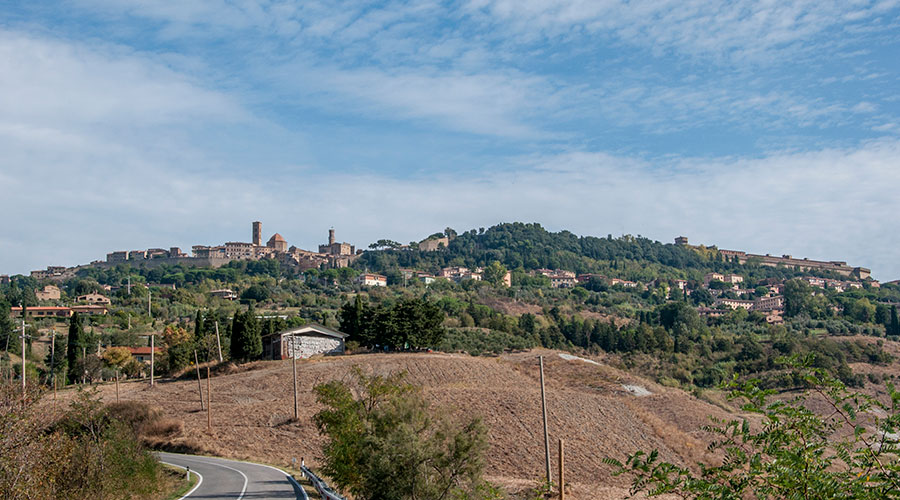
You don’t need to go on long drives—just settle in at Montecatini Val di Cecina, with Volterra just a short drive away. Stay in an authentic village, take your time exploring Volterra, and return to the village for dinner at “La Terrazza sul Borgo”. It costs less, you sleep better, and you live life to the fullest.
— Montescudaio — DOC wine and panoramic views
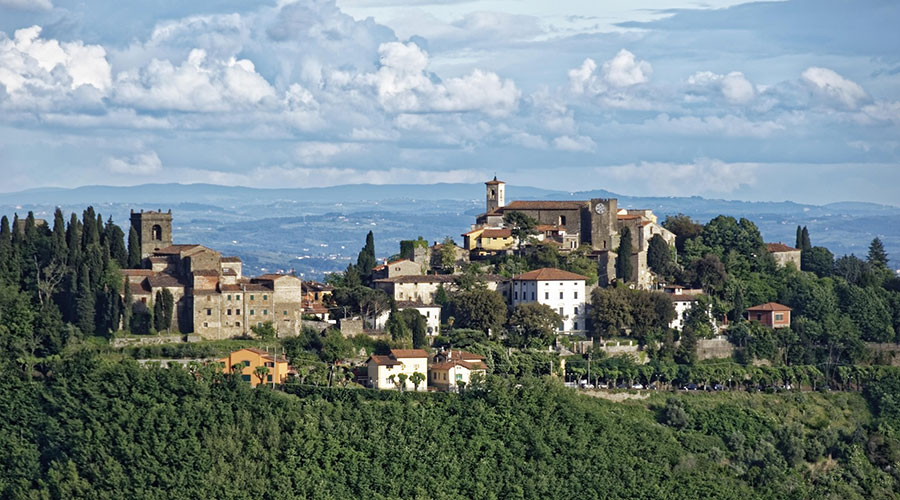
Located 12 km from Montecatini, Montescudaio is a compact medieval village with a fortress, narrow alleys, and a view of the hills stretching all the way to the sea. It produces one of Italy’s lesser-known DOC wines: Montescudaio DOC, available in both white and red varieties, which you can also enjoy at our restaurant. Half a day is enough to explore it.
— Lajatico — Andrea Bocelli's hometown
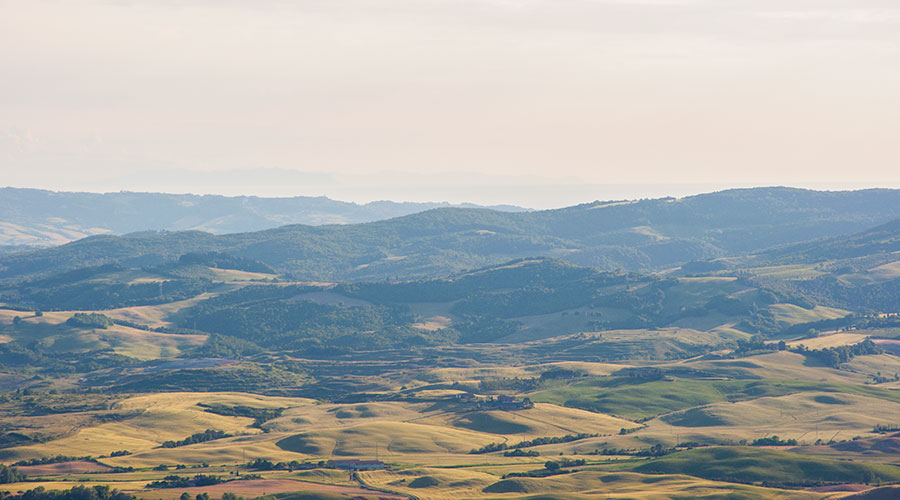
Located 20 km away, Lajatico is Andrea Bocelli’s hometown. Outside of concert season, it’s almost deserted: a village you can explore in an hour, featuring the church and the square where the tenor grew up. The Teatro del Silenzio is located just outside the village: a natural amphitheater built in the countryside where Bocelli performs every summer. Even without a concert, it’s worth the trip just to take in the scenery.
— Guardistallo — the scenic village
Located 20 km toward the coast, Guardistallo is a small, scenic town that overlooks both the Metalliferous Hills and the sea. On clear days, the view is one of the best in the area. It doesn’t have any major attractions, but that’s exactly why it’s worth stopping by.
— Casale Marittimo and Bibbona — toward the coast
Heading down toward the sea, Casale Marittimo and Bibbona are two little-known hilltop villages, halfway between the Metalliferous Hills and the Etruscan Coast. They’re perfect for a stop on a day trip to the beach.
Easy Hikes in Val di Cecina — Walks Through the Hilly Countryside
The Val di Cecina is crisscrossed by some of the least-known trails in Tuscany—but among the most beautiful. The Metalliferous Hills offer landscapes of Mediterranean scrub, oak and chestnut forests, and panoramic views of the hills and the coast. You don’t need to be an experienced hiker: many trails are accessible to families with children and to those who are used to walking.
— Trails in the Monterufoli-Caselli Nature Reserve
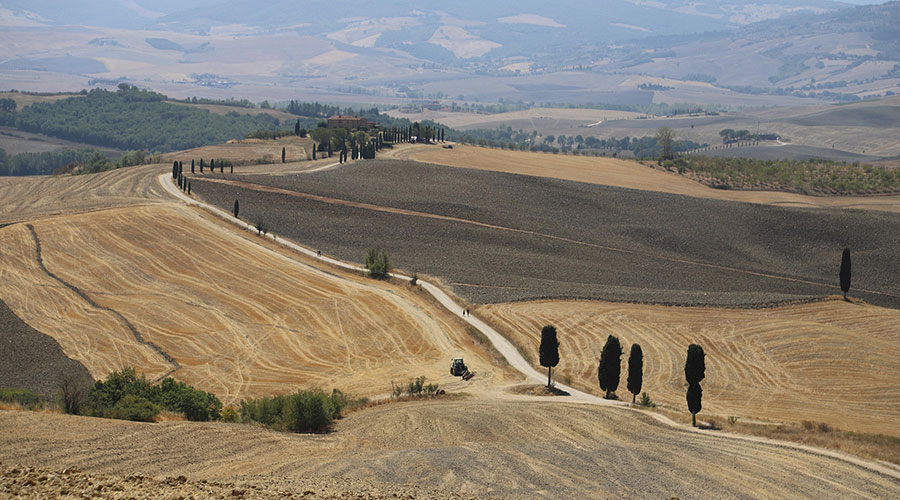
Located 10–15 km from the village, the Monterufoli-Caselli Nature Reserve is one of the least visited protected areas in Tuscany. It features forests of Turkey oak and holm oak, streams, and wildlife, including wild boars, roe deer, mouflons, and birds of prey. Admission is free, with marked trails and guided tours available by reservation.
— Metalliferous Hills — nature walks
The area around Montecatini Val di Cecina is part of the Colline Metallifere, a region of great natural and geological interest. The dirt roads winding through woods and vineyards are ideal for walking or biking—and in spring and fall, the landscape of inland Tuscany is spectacular.
— Cycling and E-Bikes — Ride Through Villages and Mines
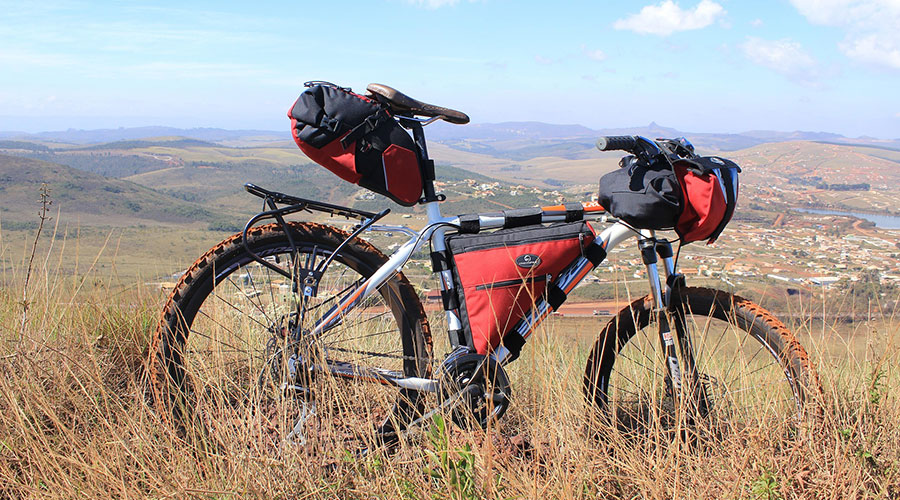
For cycling enthusiasts, the area offers routes on dirt roads and gentle paved roads between Montecatini, the mines, Volterra, and the Montescudaio wine region. E-bikes are the perfect way to enjoy the hills without struggling on the uphills.

— Larderello and the Devil's Valley — geothermal energy, 18 km away
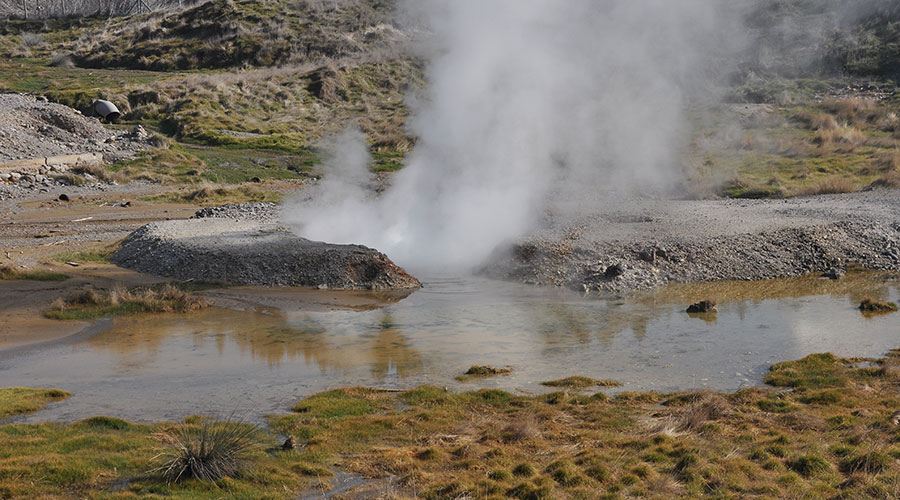
18 km from Montecatini Val di Cecina lies a landscape unlike any other in Europe: the Devil’s Valley, where the earth breathes. Larderello is the heart of the global geothermal industry—the energy extracted from the earth that has been powering thousands of Italian households for over a century.
Food and Wine
— Local Flavors
The Val di Cecina has a distinct culinary identity thanks to its signature cheese, Pecorino Balze Volterrane DOP, made with vegetable rennet derived from wild thistle using a technique of Etruscan origin. You can find it in some shops in Volterra and at local markets.
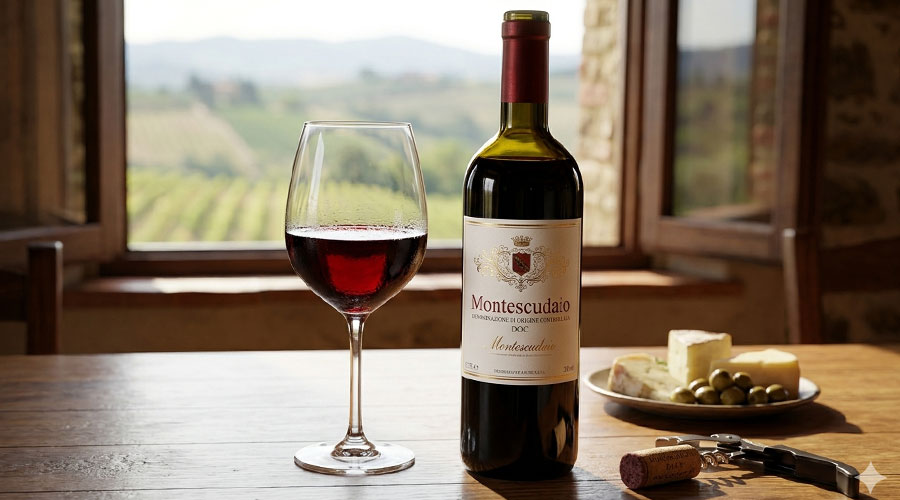
The local wine is Montescudaio DOC—a designation little known even in Italy—a white and red wine made from Vermentino and Sangiovese grapes: you’ll find the red on the menu at “La Terrazza sul Borgo.” And then there’s wild boar, the game that has dominated the local cuisine for centuries: in ragù, with pappardelle, or roasted. The most authentic recipe in the area is Licia’s, just two minutes away from you.
Etruscan Coast
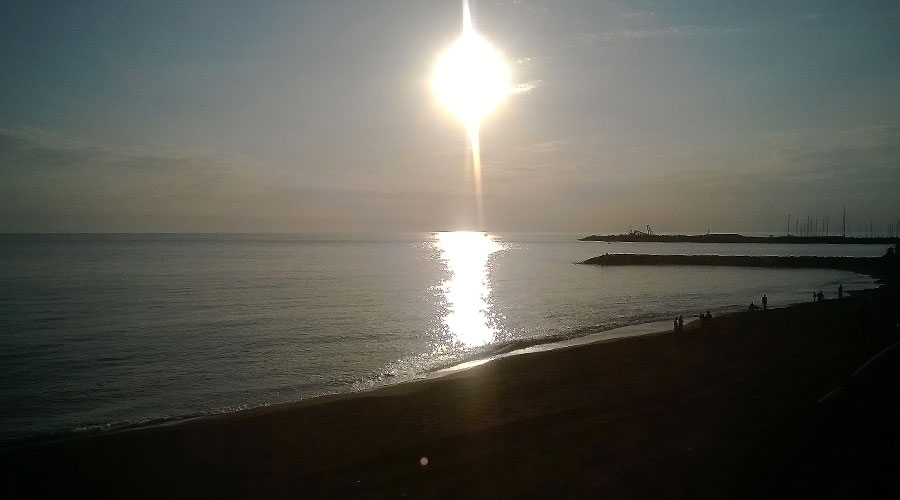
— Less crowded beaches
Our guests often don’t realize that the sea is less than 30 minutes away. The Etruscan Coast—from Cecina to Piombino—is one of the most beautiful and least crowded coastlines in Tuscany. It’s not Versilia, and it’s not the Maremma: it’s a coastline on a human scale, with public beaches, pine forests, and hilltop villages overlooking the Tyrrhenian Sea.